Variance Patterns in Contribution Rates: Directing Player Selections Between Chance-Based and Skill-Based Promotions
Written by Henrik Russell · Jun 30, 2026
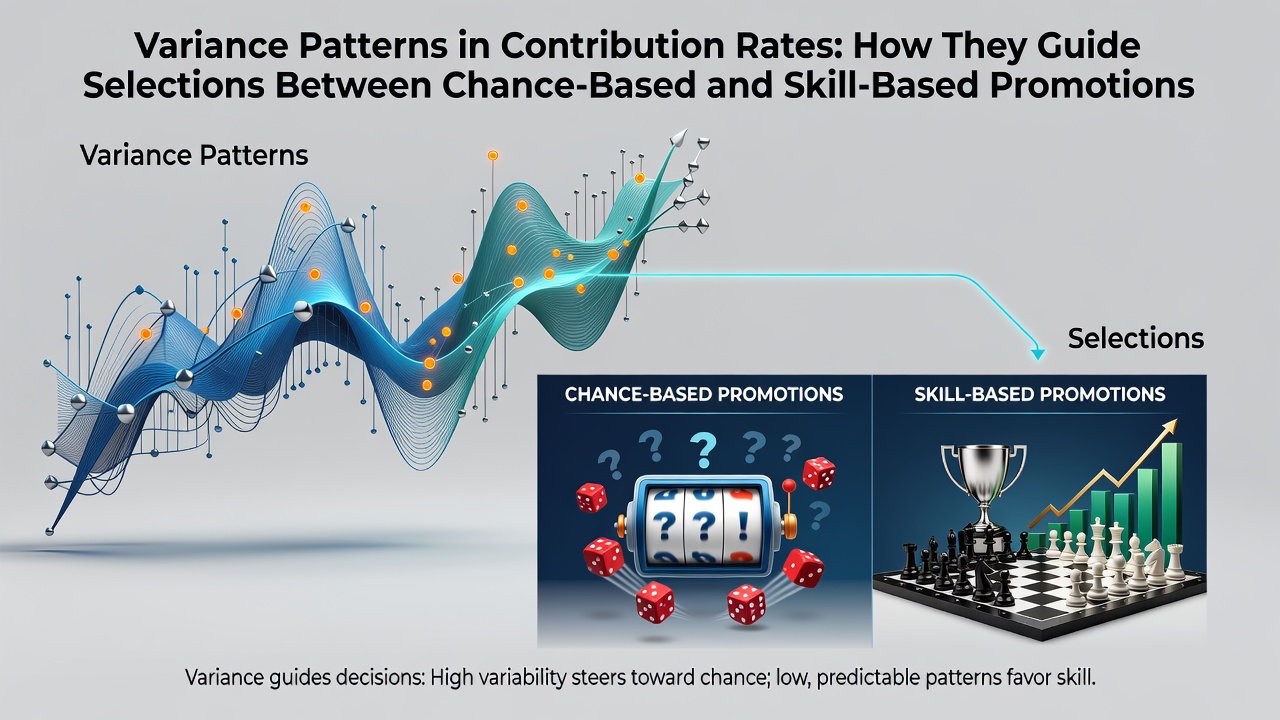
Variance Patterns in Contribution Rates: Directing Player Selections Between Chance-Based and Skill-Based Promotions
Data from multiple gaming jurisdictions shows that contribution rates for various game types fluctuate significantly across bonus structures, and these variances create clear decision points for players evaluating chance-based versus skill-based promotions. Observers note that slots typically contribute at 100 percent to wagering requirements while roulette often registers between 5 and 20 percent, and blackjack hovers around 10 percent depending on the operator's specific terms.
Those patterns emerge because each game category carries inherent statistical properties that operators factor into their bonus calculations. Research indicates the variance in these rates stems from house edge differences, game volatility levels, and regulatory frameworks that govern how promotions must balance player activity with operator risk management.
Understanding Contribution Rate Fluctuations Across Game Categories
Figures reveal that contribution percentages do not remain static even within the same game type. One study from the University of Nevada Reno's gaming research division found that slot contribution rates can shift by as much as 15 percentage points between different bonus tiers, while table game rates demonstrate even wider spreads when operators adjust for player skill levels. These adjustments occur because skill-based games introduce variables that chance-based games largely eliminate through fixed mathematical models.
Operators apply these varying rates to steer player behavior toward or away from particular promotion structures. Data shows that when a bonus requires 40 times the deposit amount, players face stronger incentives to select games with higher contribution percentages to complete the requirement faster. Conversely, promotions with lower multipliers allow more flexibility in game selection without extending completion timelines substantially.
How Variance Influences Chance-Based Promotion Strategies
Chance-based promotions typically feature games with high volatility and full contribution rates, which creates predictable completion pathways for players. Evidence suggests that participants who focus on these promotions often complete wagering requirements in fewer spins because each bet counts fully toward the total. The statistical variance in outcomes remains high, yet the contribution consistency reduces one layer of uncertainty in the overall process.
June 2026 reports from the Ontario Lottery and Gaming Corporation highlighted that slot-heavy promotions showed completion rates approximately 23 percent higher than mixed-game bonuses during the preceding quarter. This pattern holds because the full contribution rate eliminates the fractional counting that occurs with lower-rated games.
Skill-Based Promotions and Their Distinct Contribution Dynamics
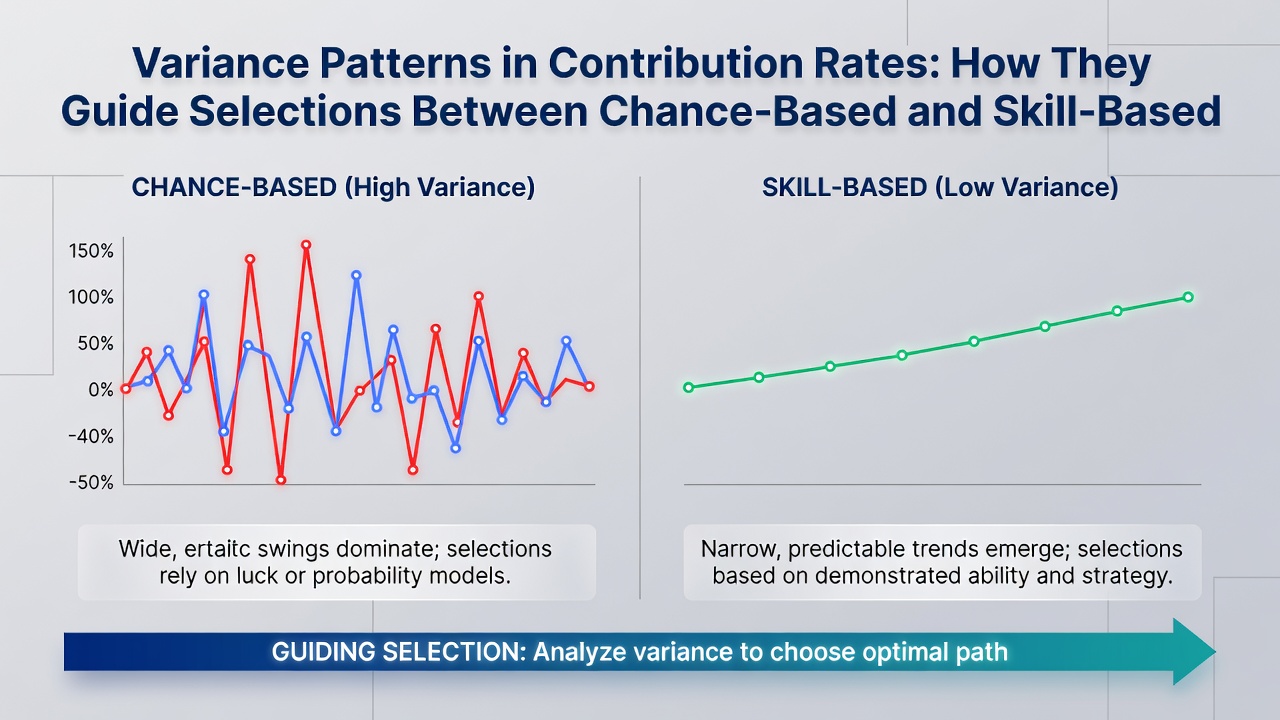
Skill-based promotions operate under different contribution frameworks that reflect the reduced house edge present in games like blackjack and poker. These frameworks typically assign lower percentages to individual bets, which extends the time required to meet wagering thresholds. Observers note that this extended timeline gives skilled players more opportunities to leverage their expertise before bonus funds convert to cashable winnings.
Research from the Australian Gambling Research Centre demonstrates that players selecting skill-based promotions complete requirements at rates influenced more by individual performance than by random variance alone. The contribution rates for these games often range from 10 to 25 percent, creating a buffer that rewards consistent play while still protecting operators from excessive bonus payouts.
Decision Frameworks Emerging From Rate Variance Patterns
Players evaluating promotion options encounter clear mathematical trade-offs when contribution rates vary across game types. Those who prioritize faster completion gravitate toward chance-based structures with higher contribution percentages, while individuals confident in their strategic abilities often select skill-based promotions despite lower rates. This selection process follows directly from the variance patterns embedded in each promotion's terms.
Industry reports confirm that operators adjust these rates seasonally to balance player traffic across game categories. When table game traffic drops below target levels, contribution percentages for blackjack adn poker may increase temporarily, narrowing the gap between chance-based and skill-based completion timelines.
Conclusion
Variance patterns in contribution rates function as structural guides that shape how players approach different promotion types. The data consistently shows that higher contribution rates accelerate completion for chance-based games, whereas lower rates extend engagement periods for skill-based options. These patterns remain consistent across jurisdictions because they derive from fundamental differences in game mathematics and operator risk calculations. Players who understand these relationships can align their selection strategies with their preferred play style and completion objectives.