UK Platforms Weave Bingo Terminology into Roulette, Poker, and Slots Bonus Frameworks for Cross-Game Player Pathways
Written by Sage Bauer · Jun 20, 2026
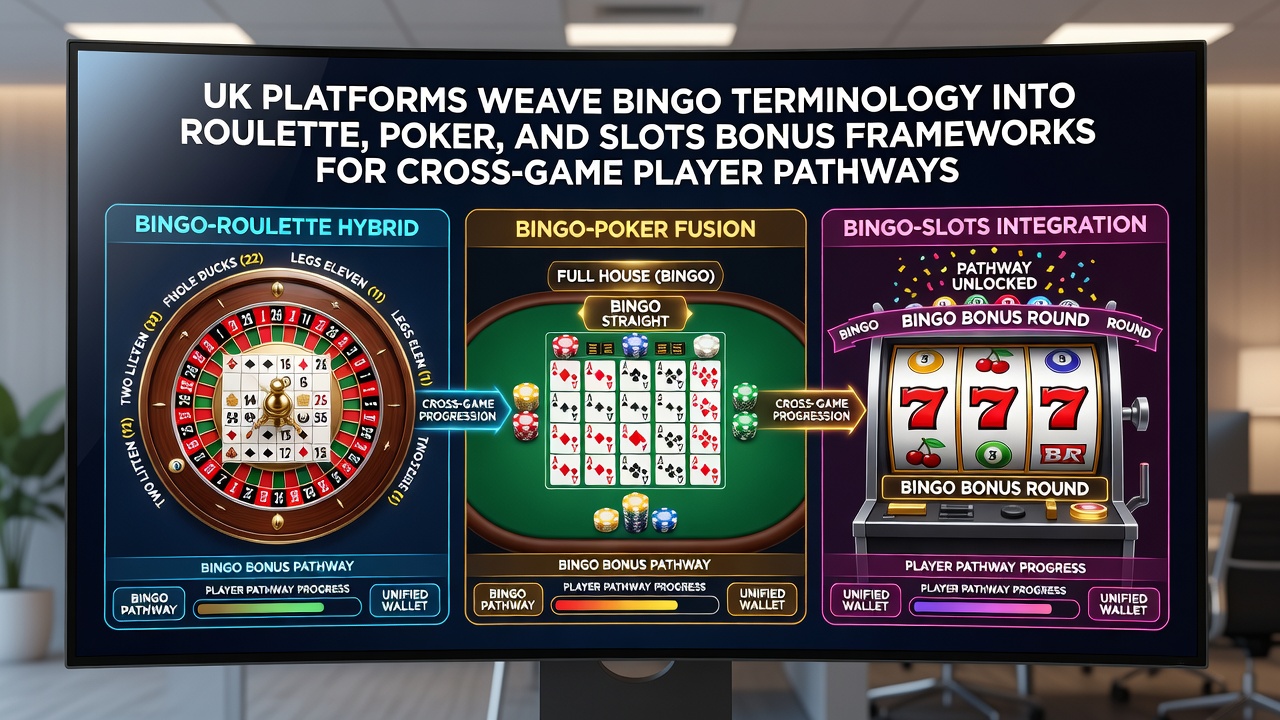
UK gaming platforms continue to embed bingo terminology within bonus structures for roulette, poker, and slots, creating structured pathways that guide players between different game types. This approach uses familiar phrases such as daub, house, and full house to define eligibility criteria and reward tiers, allowing operators to connect separate game categories through shared language and progression mechanics. Operators apply these terms to specify how players accumulate progress across titles. A roulette bonus might require a set number of daubs on a virtual card before unlocking a poker chip reward, while slots promotions incorporate house completion targets that trigger cross-game credits. Such frameworks emerged as platforms sought to unify player engagement without requiring separate accounts or isolated promotions. Data from industry reports shows that by early 2026 several major UK sites had introduced hybrid bonus ladders where bingo slang dictated contribution rates. For instance, completing a full house in a linked slots session could convert directly into roulette spin multipliers, whereas poker hand milestones unlocked bingo-style ticket entries for additional draws. These mechanics rely on consistent terminology to reduce confusion and encourage sequential play. In June 2026 updates to platform interfaces highlighted further refinements, with new dashboard elements displaying bingo-derived progress bars that tracked activity in roulette, poker, and slots simultaneously. Players who met daub thresholds in one game received automatic eligibility boosts in others, streamlining the transition between formats. Regulatory observations from the Nevada Gaming Control Board indicate similar terminology blending appears in international markets, although UK implementations emphasize clearer player disclosures tied to bonus terms. Figures from the European Gaming and Betting Association reveal that cross-game pathways incorporating shared vocabulary increased average session lengths by measurable margins in monitored jurisdictions.Mechanics Behind Terminology Integration
Platforms define specific bingo phrases within their rulesets to govern bonus activation and wagering contributions. A daub might represent each qualifying bet placed on a roulette wheel or slot reel, while house completion signals the end of a bonus cycle that releases funds across multiple game types. This linguistic consistency allows players to recognize progress indicators regardless of the title they currently engage with.
Developers program these elements into backend systems so that actions in poker, such as achieving certain hand combinations, register as equivalent to bingo calls. The result appears in unified loyalty meters that advance through shared stages, reducing the need for players to switch between distinct promotional menus.
Examples of Cross-Game Pathways
One major operator structures its welcome package so that an initial slots deposit activates a daub tracker. Each spin contributes toward house completion, after which the system releases poker tournament entries alongside roulette free bets. The pathway continues as poker results feed back into slots multipliers, forming a closed loop that relies on bingo terminology for every milestone description.
Another site applies house and line concepts to roulette bonus wheels, where landing on designated segments completes virtual bingo cards. Completed cards then convert into poker cashback percentages, demonstrating how the same phrases operate across three distinct game categories without requiring separate rule explanations.
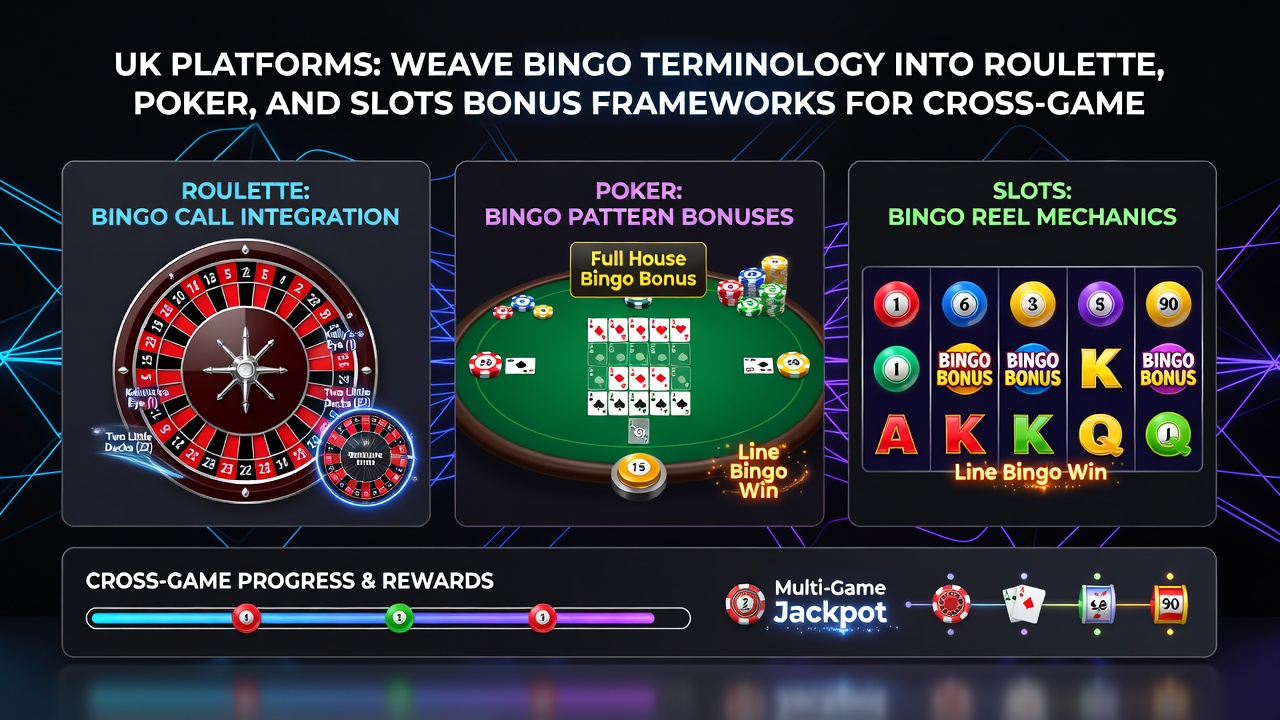
Impact on Player Progression Systems
Research conducted by the University of Nevada, Las Vegas gaming studies program found that terminology reuse correlates with higher retention rates in multi-game environments. Players who encounter consistent labels across roulette, poker, and slots report fewer interruptions when moving between categories, because the underlying bonus logic remains legible through familiar bingo expressions.
Platform analytics further indicate that these integrated pathways reduce the frequency of bonus abandonment. When milestones use daub and house language rather than game-specific jargon, completion rates rise as participants track advancement without additional guidance.
Future Developments in Terminology Blending
Industry observers note ongoing refinements scheduled for later in 2026, including expanded use of bingo calls such as legs eleven and two little ducks within poker side-bet bonuses. These additions aim to extend the existing framework while preserving the cross-game connectivity already established.
Technical integrations continue to evolve, with APIs now supporting real-time translation of bingo terms into visual progress elements displayed uniformly across roulette, poker, and slots interfaces. Such developments maintain the core structure while allowing operators to introduce new reward layers without altering the foundational language.
Conclusion
UK platforms maintain structured incorporation of bingo terminology into roulette, poker, and slots bonus systems, resulting in defined cross-game player pathways. The approach relies on consistent phrasing to link separate game activities, supported by backend programming and regulatory oversight from multiple jurisdictions. Continued updates through 2026 indicate sustained emphasis on this model, with data from academic and industry sources documenting measurable effects on session duration and progression completion.