Tracing Incentive Webs: How Game Categories Shape Reward Eligibility on UK Platforms
Written by Dana Flores · Jun 6, 2026
Tracing Incentive Webs: How Game Categories Shape Reward Eligibility on UK Platforms
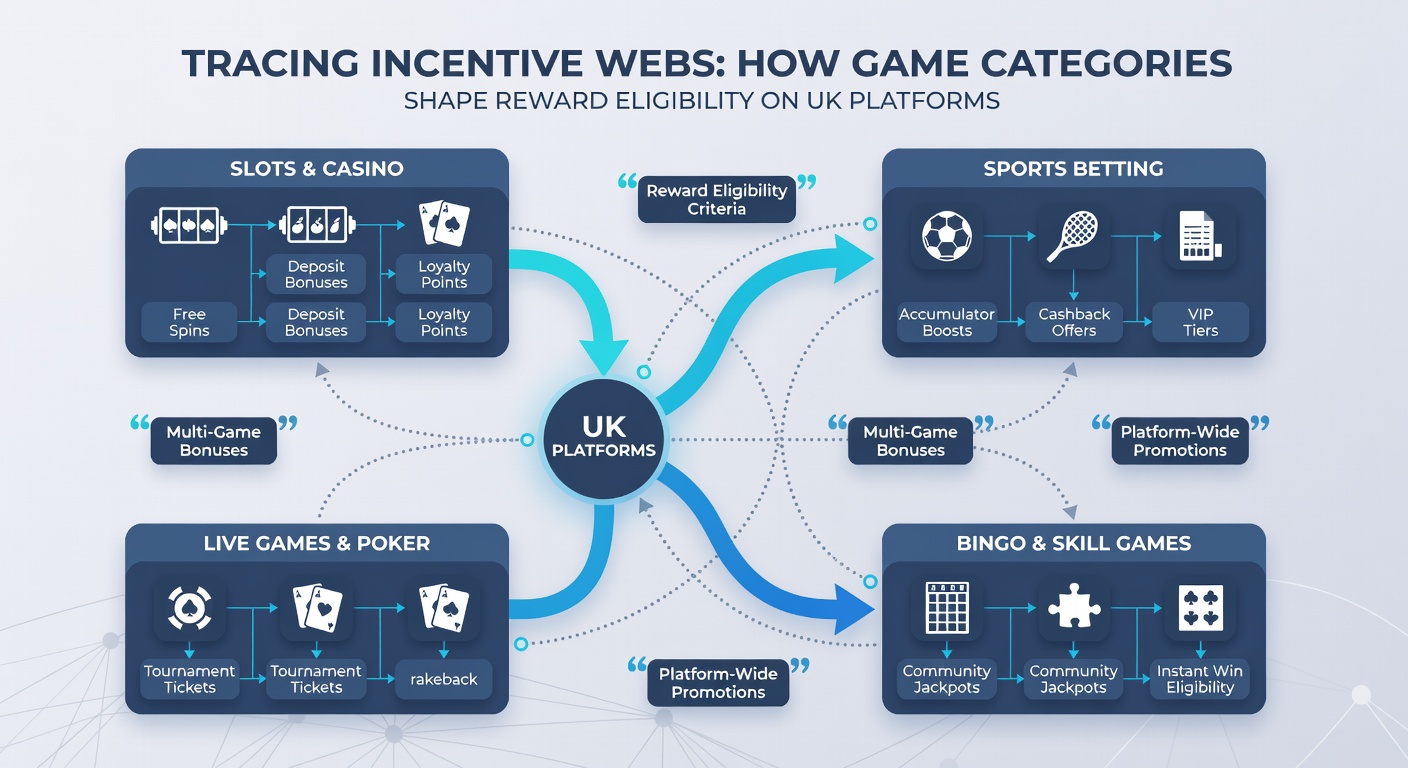
Observers note that reward structures on UK platforms often operate through layered eligibility criteria where game categories determine access to specific incentives, creating webs of interconnected requirements rather than uniform bonus systems. Data from industry reports shows that platforms categorize games into slots, table games, card variants, and specialty options, each carrying distinct contribution rates toward wagering thresholds and unlock conditions for rewards. Platforms assign contribution percentages based on these categories, with slots typically contributing at higher rates while table games and bingo variants contribute at reduced levels or sometimes none at all toward certain promotional targets. This categorization system emerged from regulatory frameworks that emphasize responsible play metrics, leading operators to differentiate eligibility across game types to manage risk exposure and player engagement patterns. Research indicates that players who focus exclusively on one category encounter restricted pathways to multi-tier rewards compared to those who diversify across categories.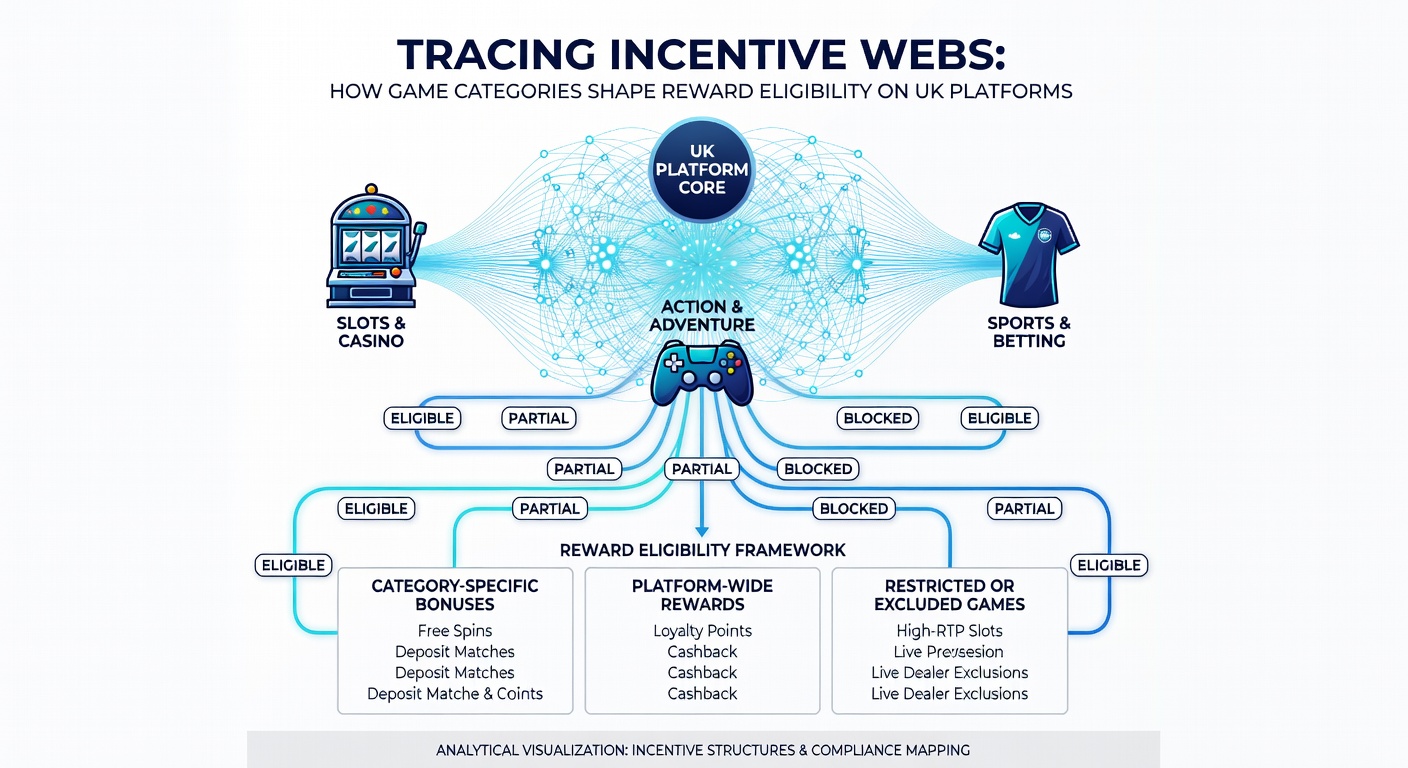
Observers note that reward structures on UK platforms often operate through layered eligibility criteria where game categories determine access to specific incentives, creating webs of interconnected requirements rather than uniform bonus systems. Data from industry reports shows that platforms categorize games into slots, table games, card variants, and specialty options, each carrying distinct contribution rates toward wagering thresholds and unlock conditions for rewards. Platforms assign contribution percentages based on these categories, with slots typically contributing at higher rates while table games and bingo variants contribute at reduced levels or sometimes none at all toward certain promotional targets. This categorization system emerged from regulatory frameworks that emphasize responsible play metrics, leading operators to differentiate eligibility across game types to manage risk exposure and player engagement patterns. Research indicates that players who focus exclusively on one category encounter restricted pathways to multi-tier rewards compared to those who diversify across categories.Category Definitions and Their Structural Roles
Game categories receive precise definitions within platform terms, where slots encompass video and classic reel formats, table games cover roulette and blackjack derivatives, while poker and bingo occupy separate classifications with unique payout multipliers and eligibility gates. Those who've studied these systems find that category boundaries directly influence which rewards activate, since operators link bonus funds to minimum activity levels within designated groups. For instance, a reward tied to slot play might exclude table game wagers entirely, forcing players to meet category-specific volume before accessing withdrawal options or further incentives. According to figures from the Australian Gambling Research Centre, similar categorization models appear in international markets, where contribution disparities shape player behavior toward certain game clusters. Platforms in the UK apply these distinctions consistently, though variations exist across operators regarding exact percentages and eligible titles within each category.Tracing Eligibility Chains Across Categories
Incentive webs form when one category's activity unlocks eligibility in another, such as slot-based progress contributing partially toward poker tournament entries or bingo session credits. Platforms implement these chains through algorithmic tracking that logs category participation separately, allowing cross-eligibility only after thresholds in primary categories are satisfied. Evidence suggests this structure encourages broader exploration while maintaining controls on high-volatility categories that might otherwise dominate reward claims. What's interesting is how June 2026 updates to platform software introduced refined tracking for hybrid games that blend elements from multiple categories, requiring operators to assign blended contribution rates rather than single-category labels. These adjustments followed consultations with international bodies including the Nevada Gaming Control Board, which published guidelines on transparent categorization to prevent disputes over eligibility. Players navigating these webs often discover that rewards tied to lower-contribution categories demand higher activity volumes to achieve parity with slots-focused incentives.