Reshaping Incentives: The Impact of Game Rules on Bonus Weighting Across Diverse Formats
Written by Parker Becker · Jun 9, 2026
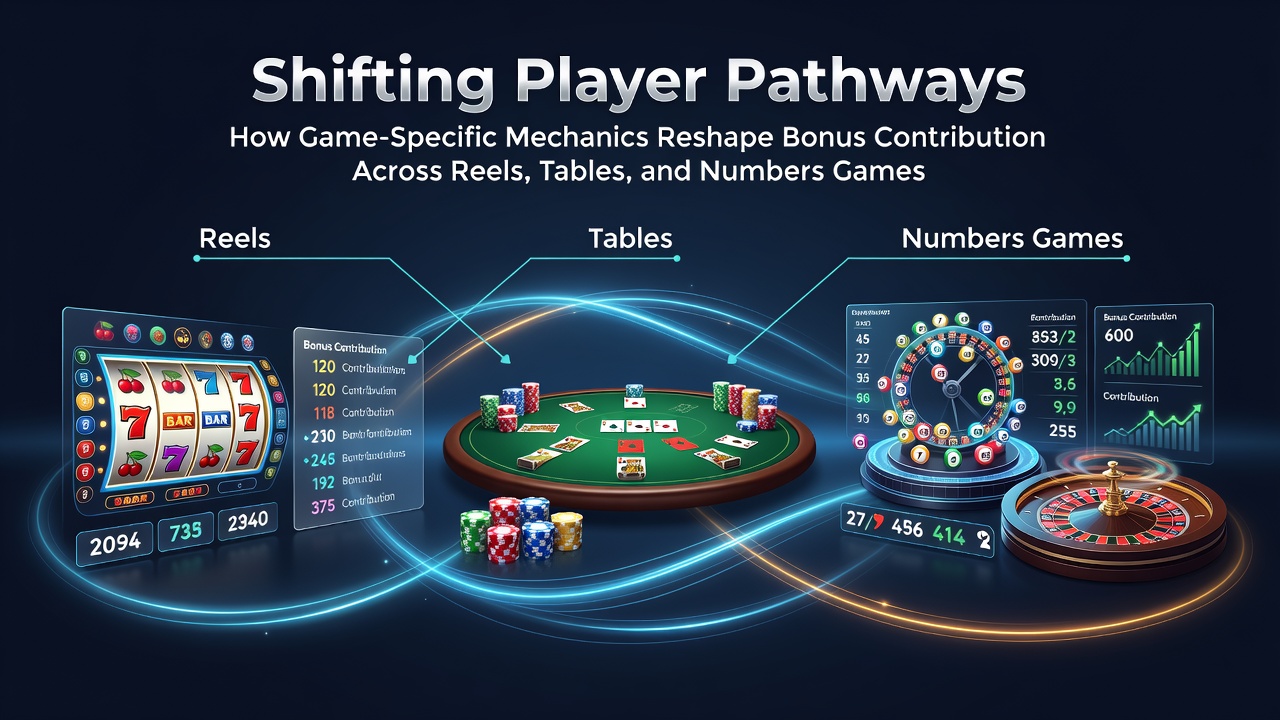
Reshaping Incentives: The Impact of Game Rules on Bonus Weighting Across Diverse Formats
Game operators adjust bonus contribution percentages according to the mechanical demands of each format, and these adjustments create distinct pathways that guide player choices. Reels games typically receive full weighting because their random number generators run continuously without dealer intervention, whereas tables and numbers formats often receive reduced percentages since their outcomes involve structured rules and multiple participants.
Data from industry reports shows that contribution rates for reels games hover near 100 percent in most platforms, yet table games frequently drop to 10 or 20 percent because each round requires dealer actions and slower pacing. Numbers games such as bingo or lottery draws receive variable weighting that depends on ticket volume and draw frequency, with percentages ranging from 20 to 75 percent according to platform policies.
Reels Mechanics Drive Higher Weighting
Reels formats operate through independent spin cycles that generate results in milliseconds, and operators assign maximum contribution to encourage volume play in these titles. The fixed reel structures, payline configurations, and bonus round triggers remain consistent across thousands of spins, which simplifies tracking and justifies full weighting. Research from the Canadian Gaming Association indicates that reels titles account for over 70 percent of bonus-related wagers in multi-game environments because their contribution rates reduce the time needed to clear requirements.
Platform algorithms monitor spin frequency and average bet sizes, then apply contribution multipliers that reflect these patterns. When a reels title includes cascading symbols or expanding wilds, the added complexity rarely lowers its weighting because the core random process stays unchanged. Players therefore move toward reels games when bonus terms emphasize rapid progress, since each spin advances the requirement at full value.
Table Game Rules Reduce Contribution Percentages
Table formats introduce dealer decisions, multiple betting positions, and rule variations that extend round duration, and these factors lead operators to apply lower contribution rates. Blackjack tables, for instance, contribute between 10 and 20 percent because strategy choices and card counting elements extend play sessions. Roulette wheels add further variables through sector betting and zero rules, prompting similar reductions in most schemes.
Operators track average rounds per hour across tables, and they calibrate contribution figures accordingly. A platform that records 60 blackjack hands per hour might assign 15 percent weighting, whereas a faster electronic table reaching 120 decisions could receive 25 percent. These adjustments maintain balance across game types while reflecting the mechanical differences that slow progress toward wagering targets.

Numbers Games Follow Draw-Based Weighting Patterns
Numbers formats depend on scheduled draws or ticket batches, and their contribution percentages shift according to draw intervals and ticket prices. Bingo halls often assign 50 percent weighting because each game requires a fixed number of calls and multiple players share the outcome. Lottery-style numbers games may receive 30 percent or less when draws occur daily rather than continuously.
Platform data collected through June 2026 reveals that numbers games with higher ticket volumes receive adjusted rates that account for collective participation. When a bingo variant adds side bets or pattern multipliers, operators sometimes increase contribution to 60 percent, reflecting the added mechanical layers. Players who combine numbers games with reels titles therefore experience blended contribution rates that extend overall completion timelines.
Cross-Format Pathways Emerge from Combined Rules
Many platforms now link contribution across categories through unified wagering trackers, and these links create hybrid pathways that redirect play. A player completing 50 percent of a requirement on reels may switch to tables at reduced rates or to numbers games at mid-range percentages, and the system calculates cumulative progress automatically. Reports from the Australian Gambling Research Centre note that such integrated trackers appear in over 40 percent of multi-format operators as of mid-2026.
These pathways influence session planning because contribution differences alter the effective value of each wager. Reels spins advance requirements faster per unit bet, yet table rounds and numbers tickets provide variety that some participants prefer despite slower advancement. Operators publish contribution tables that list every title and its assigned rate, allowing players to map efficient routes through the available options.
Regulatory Updates Shape Contribution Practices in 2026
Standards issued by the Nevada Gaming Control Board in early 2026 require clearer disclosure of contribution percentages across all formats, and operators responded by updating their published tables within the first quarter. The changes emphasize transparency in how reels, tables, and numbers weighting affect bonus completion, without mandating uniform rates. Compliance reports filed through June 2026 show that most platforms now list contribution figures alongside game rules, enabling direct comparison before play begins.
These disclosures have prompted some operators to test dynamic weighting that adjusts based on aggregate player behavior each month. When reels activity spikes, contribution for tables may rise slightly to balance platform traffic. Numbers games occasionally receive temporary increases during promotional periods that coincide with major draws, illustrating how mechanical and regulatory factors interact in real time.
Conclusion
Game-specific mechanics continue to determine bonus contribution across reels, tables, and numbers formats, and the resulting pathways guide how requirements are met. Reels receive high weighting due to rapid independent cycles, tables receive lower rates because of structured pacing, and numbers games occupy a middle range that reflects draw schedules. Platforms integrate these rates into unified trackers that allow cross-format progress, while regulatory standards ensure the weighting remains visible. Observers note that contribution tables updated in June 2026 provide the clearest view yet of how each format shapes bonus completion across the industry.