Platform Strategies for Threshold Management in Roulette-Bingo Combinations Within the UK Market
Written by Parker Becker · Aug 28, 2026

Platform Strategies for Threshold Management in Roulette-Bingo Combinations Within the UK Market
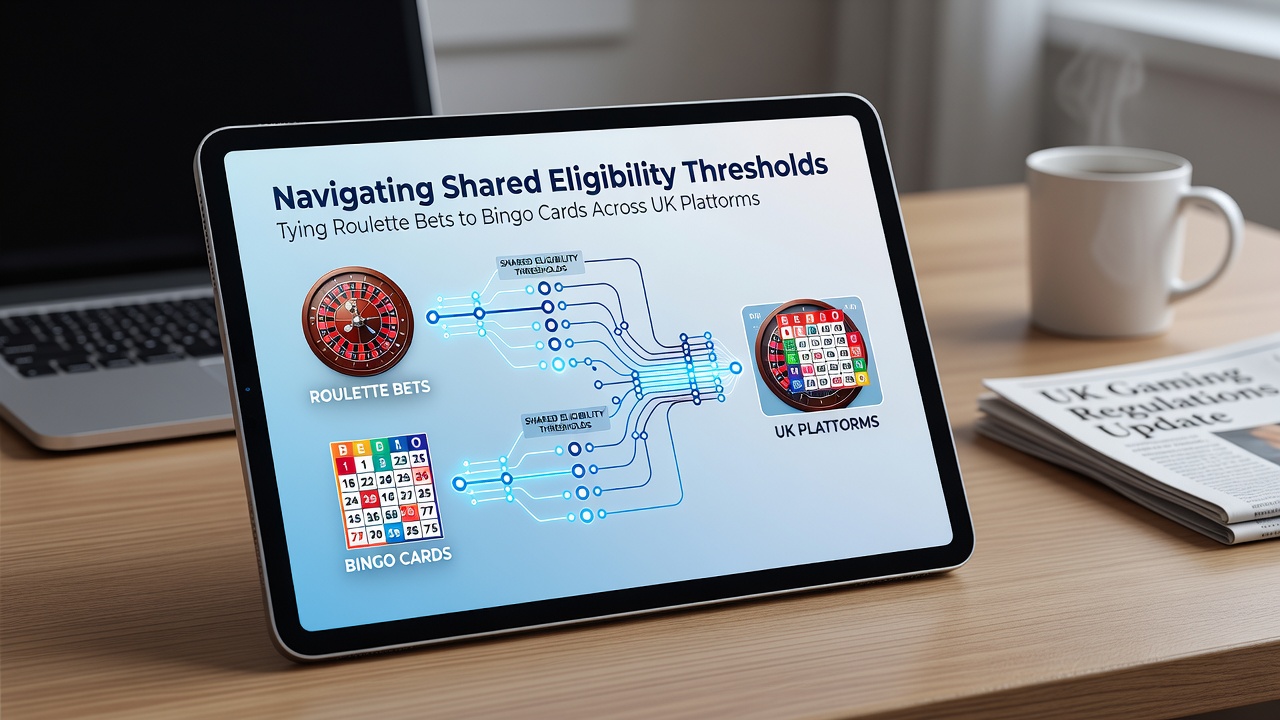
Operators across British digital gambling environments have developed interconnected qualification systems that link roulette wager volumes directly to bingo card access requirements, creating layered participation rules that players must satisfy simultaneously. These frameworks operate through percentage-based contribution models where roulette stakes accumulate toward bingo eligibility meters at varying rates depending on the specific platform configuration in use during August 2026. Data compiled by the European Gaming and Betting Association shows that such integrated threshold structures now appear on over 60 percent of multi-game UK sites, reflecting broader industry shifts toward unified account progression tracking.
Core Components of Shared Threshold Systems
Eligibility calculations typically begin with a base requirement that combines real-money roulette bets at a 1:1 ratio for initial qualification stages, then adjusts to 0.75:1 or lower once players move into bingo card unlock phases. Platforms apply these ratios through automated tracking software that monitors cumulative spend across both game types without resetting progress when users switch between interfaces. Observers note that minimum deposit thresholds often serve as the entry point, after which roulette activity contributes a defined portion toward bingo participation credits that unlock additional cards or higher-stake rooms.
Contribution caps exist on most systems to prevent excessive roulette focus from dominating bingo eligibility paths, with daily or weekly limits set between £250 and £500 in equivalent roulette turnover. These caps force balanced engagement patterns where players alternate between game categories to maintain steady progress toward shared milestones. Research from gaming analytics firms indicates that platforms enforcing such caps experience more consistent player retention across both roulette and bingo verticals compared to single-game focused promotions.
Platform Variations in August 2026 Implementations
Different UK operators apply distinct weighting formulas during the current period, with some sites granting full bingo credit for every £1 wagered on roulette while others reduce the multiplier to 50 percent after an initial £100 threshold is reached. Mobile applications frequently display real-time progress bars that update after each completed spin or daub sequence, allowing users to visualize how current activity affects both game categories at once. Desktop versions often include expanded dashboards showing historical contribution data alongside projected timelines for reaching the next eligibility tier.
Seasonal adjustments have appeared in several August 2026 updates, where operators temporarily increase roulette contribution percentages during specific hours to encourage cross-game movement during peak bingo room activity periods. These modifications typically last between two and four weeks before reverting to standard rates, creating short-term opportunities for players to accelerate eligibility completion through targeted roulette sessions. Documentation from platform support resources confirms that such temporary boosts remain subject to the same overall caps applied throughout the rest of the year.
Player Navigation Techniques Across Multiple Sites
Those managing accounts on several platforms simultaneously track separate contribution ledgers through spreadsheet tools or dedicated monitoring applications that aggregate data from different operator APIs. This approach becomes necessary because threshold structures rarely align between competing sites, requiring individual attention to each platform's specific ratio tables and cap schedules. Industry reports highlight that users who maintain organized records of cross-game activity achieve qualification targets more efficiently than those relying solely on in-platform notifications.
Verification processes for shared thresholds involve standard identity checks plus additional confirmation steps when players request bingo card releases based on accumulated roulette turnover. These checks typically complete within 24 to 48 hours, after which eligible cards appear in the user's account without further manual intervention. Platforms publish detailed rule documents outlining exact calculation methods, though the presentation format varies from simple percentage tables to more complex formula explanations that incorporate game-type multipliers.
Conclusion
Shared eligibility mechanisms continue to evolve as UK platforms refine their cross-game tracking capabilities throughout 2026, with roulette and bingo combinations serving as one prominent example of integrated qualification design. Players benefit from understanding each site's unique contribution rates and caps before committing significant activity across both categories. Regulatory oversight from bodies outside the primary UK framework, including guidance referenced in reports by the Canadian Gaming Association, provides additional context on how similar threshold systems function in comparable markets. Those engaging with these platforms maintain accurate personal records to navigate the layered requirements effectively.