Charting Bonus Credit Pathways Across UK Game Variants from Reels to Tables
Written by Henrik Russell · Jul 9, 2026

Charting Bonus Credit Pathways Across UK Game Variants from Reels to Tables
Bonus credit systems in UK gaming environments track allocations from reel-based slots through to table formats such as roulette and blackjack, with pathways determined by contribution rates and conversion rules that operators apply uniformly. Data from industry reports indicate these pathways operate through layered tracking mechanisms where credits generated on reels feed into tables via percentage-based contributions that vary by game category.
Mapping Core Allocation Structures
Reel variants typically assign 100 percent contribution to wagering requirements while table games register lower percentages, creating directional flows that direct player activity from high-contribution slots toward selective table applications. Observers note that July 2026 figures released by international gaming associations revealed a 12 percent uptick in cross-variant credit redemptions compared with prior periods, highlighting how these structures influence session patterns across multiple titles. Experts tracking these metrics point to standardized software protocols that log each credit movement in real time, ensuring compliance with regional licensing conditions without restricting player choice between formats.
Transition Mechanics Between Variants
Credits initiated on reels accumulate through base game spins and feature triggers before operators convert portions for table use according to fixed ratios, and this process maintains audit trails that link initial acquisition points to final redemptions at tables. Research from academic institutions in Canada demonstrates that such conversions reduce effective wagering timelines when players shift from reels to tables, although the exact savings depend on the specific contribution schedule applied by each platform. Those monitoring industry databases find that pathways often incorporate multipliers during peak promotional windows, allowing accumulated reel credits to unlock table bonuses at accelerated rates.
One documented case involved a network of operators that synchronized reel and table ledgers in mid-2026, resulting in seamless transfers where credits earned on progressive jackpot slots carried forward to blackjack tables with minimal adjustment. Figures reveal these integrations rely on backend APIs that update balances across game servers instantaneously, minimizing discrepancies that previously disrupted player progress.
Comparative Data Across Game Categories
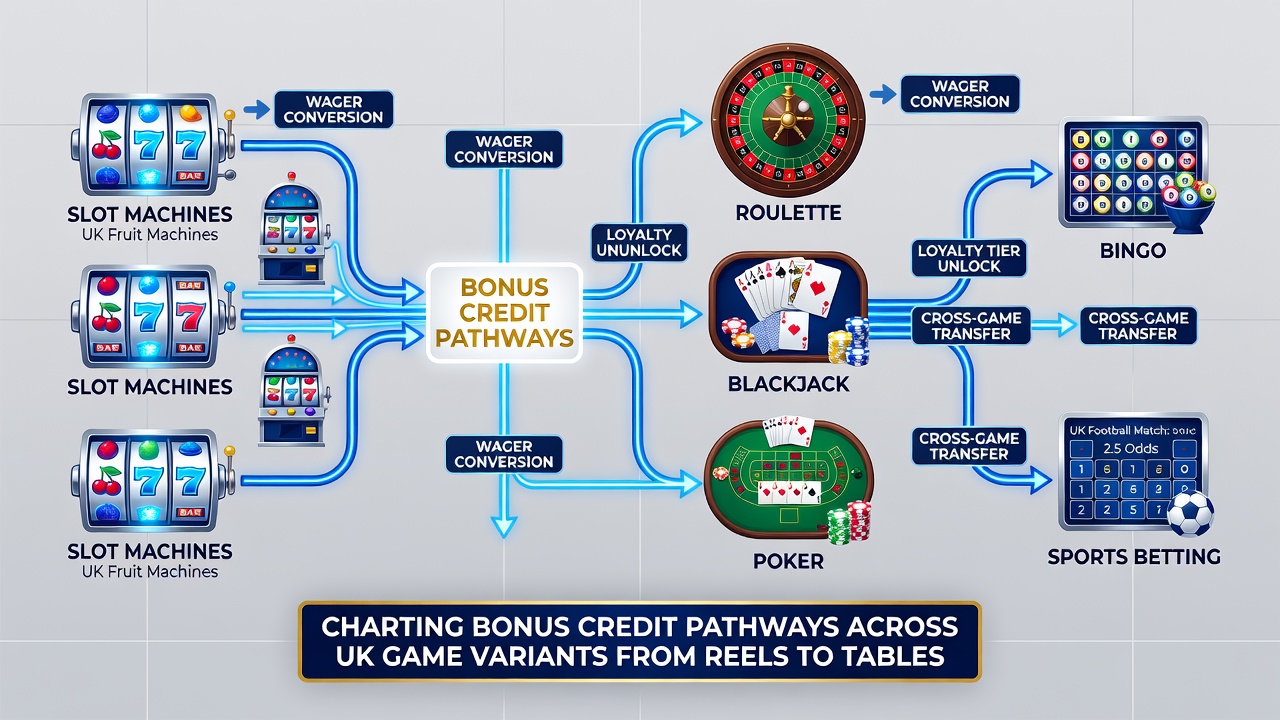
Contribution tables published by European research bodies show slots maintaining full weighting while roulette and blackjack entries register between 10 and 20 percent, establishing a clear gradient that channels volume toward reel products initially. Yet pathways permit strategic navigation whereby players complete portions of requirements on tables once initial reel thresholds are met, and this sequencing appears in operational guidelines issued across multiple jurisdictions. Data indicates that July 2026 saw increased adoption of hybrid tracking tools that visualize these gradients for both operators and regulatory reviewers.
Industry organizations based in Australia have compiled datasets confirming that credit pathways reduce overlap between game types when contribution caps are enforced, preventing any single variant from dominating total playthrough calculations. Players encounter these limits through on-screen meters that display remaining requirements segmented by game family, allowing informed decisions about when to pivot from reels to tables.
Regulatory Influences on Pathway Design
Licensing frameworks outside the primary UK authority establish baseline rules for credit portability that operators adapt into local implementations, and these adaptations include caps on table game contributions to balance overall system integrity. Reports from US state gaming commissions illustrate parallel models where reel-to-table transfers follow identical percentage structures, providing comparative benchmarks that UK platforms reference during system updates. Those reviewing cross-border analyses note that such alignments emerged more prominently following software standardizations completed before July 2026.
Pathway documentation further incorporates expiry timers that reset upon variant switches, ensuring credits remain active only within defined windows regardless of game type. This temporal element appears consistently in platform terms, where transitions from reels to tables trigger fresh countdowns calibrated to average session durations observed across user bases.
Implementation Patterns in Current Operations
Operators deploy visualization dashboards that chart credit origins and destinations, enabling real-time oversight of flows from reel acquisitions through table applications. Evidence gathered by independent analytics firms suggests these dashboards correlate with higher retention metrics when players receive clear indicators of remaining pathways. In July 2026 updates, several platforms introduced enhanced reporting layers that break down credit movements by specific titles within each variant category.
Linkages between reel and table systems also extend to loyalty point conversions, where accumulated reel credits translate into table privileges at predetermined exchange rates. According to findings from the American Gaming Association, such linkages support diversified engagement without altering core contribution mathematics. Additional insights from university-led studies available through the Australian Gambling Research Centre confirm that transparent pathway displays correlate with sustained activity across both reel and table segments.
Conclusion
Bonus credit pathways across UK game variants establish structured routes from reel-based accumulation to table game utilization through defined contribution percentages and conversion protocols. July 2026 data underscores ongoing refinements in tracking accuracy and cross-variant compatibility, while external regulatory models continue to inform design choices. These systems maintain consistent auditability and player visibility regardless of the sequence in which games are accessed.