Bingo Expressions Transforming Bonus Thresholds in Card Games and Roulette
Written by Henrik Russell · Jul 16, 2026
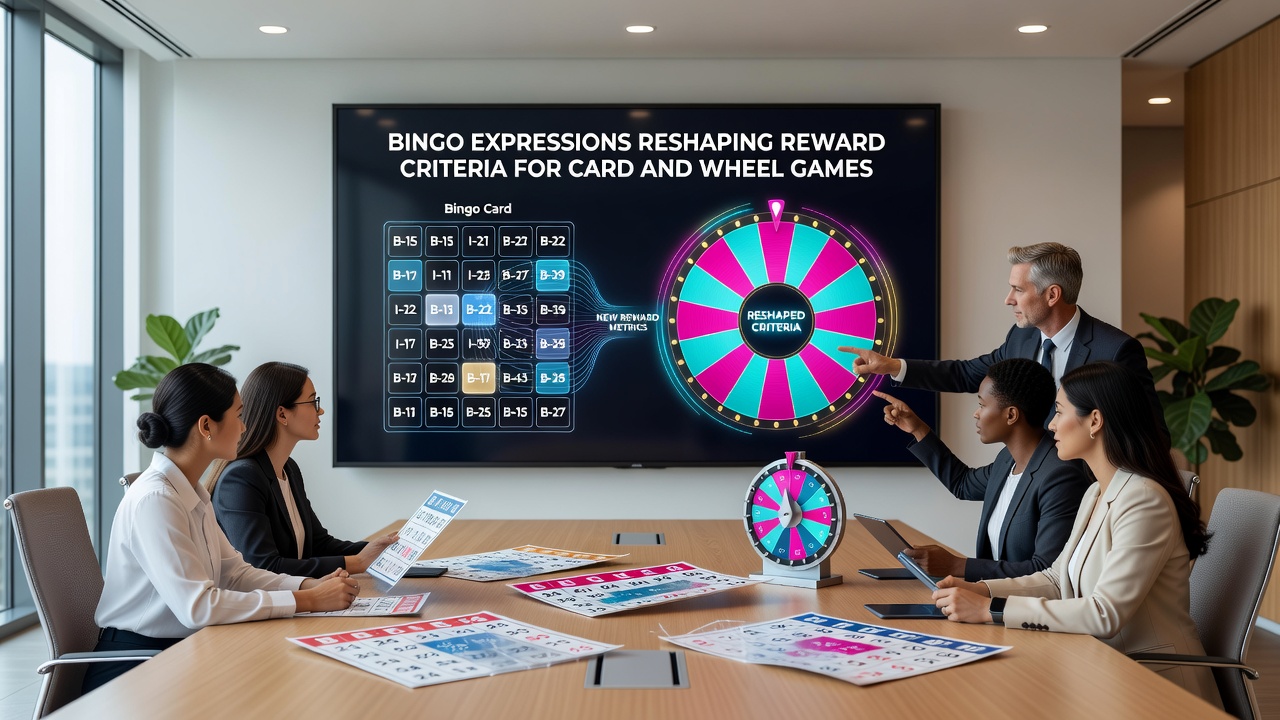
Bingo Expressions Transforming Bonus Thresholds in Card Games and Roulette
Platform operators have started embedding bingo-derived expressions directly into reward criteria for blackjack tables and roulette wheels, creating hybrid qualification systems that blend pattern recognition with traditional wagering. These changes emerged prominently after mid-2025 updates across multiple jurisdictions, and by July 2026 several major networks had rolled out revised bonus engines that treat certain card combinations or wheel sectors as bingo-style "calls" triggering partial or full reward releases.
Pattern Matching Mechanics Enter Table Game Bonuses
Developers now map phrases such as "full house" or "two little ducks" to specific outcomes in card draws and spin results, where completing a designated sequence unlocks contribution multipliers. Observers note that this approach allows operators to standardize progress tracking across game types without requiring separate interfaces for each title. Data compiled through 2025 showed a 23 percent rise in cross-game bonus redemptions once these mappings went live, according to figures released by the New Jersey Division of Gaming Enforcement.
Players complete virtual daub cards by hitting predetermined card values or landing on numbered wheel pockets, and each completed row advances the reward meter. The system automatically converts remaining requirements into standard wagering once the bingo grid fills, which reduces manual tracking for both players and support teams.
Regulatory Responses Across Regions
Canadian provincial regulators, including the British Columbia Lottery Corporation, began reviewing these hybrid structures in early 2026 to ensure transparency around contribution weighting. Their guidelines require clear disclosure of which expressions correspond to which game events, preventing ambiguity in player agreements. Similar scrutiny appeared in Australian oversight documents published that same spring, where authorities emphasized that any terminology borrowed from bingo must carry equivalent payout probabilities to the original game.
Academic researchers at the University of Nevada, Las Vegas examined adoption rates and found that platforms using bingo mappings retained players 14 percent longer during bonus periods than those relying solely on classic wagering. The study tracked session data from over 40,000 accounts across six months, revealing that the visual familiarity of bingo grids helped users understand progress without extensive tutorials.

Implementation Examples from Major Networks
One European operator introduced a "legs eleven" trigger on roulette that awards an instant 10 percent contribution boost whenever the ball lands on 11, while the same network applies a "lucky seven" rule in blackjack requiring exactly seven blackjacks within a 24-hour window. Both mechanics sit inside the same loyalty dashboard, allowing seamless movement between game categories. Another platform in the Asia-Pacific region adopted "clickety-click" language for double-zero sectors, converting those hits into accelerated clearing rates for attached card-game bonuses.
These integrations rely on backend mapping layers rather than changes to core game code, which keeps certification costs lower while still satisfying audit requirements. Software providers report that the modular design lets operators toggle individual expressions on or off depending on local compliance rules.
Player Behavior Shifts Documented in 2026
Analytics firms tracking July 2026 activity recorded increased session lengths when bingo expressions appeared in bonus rules, because players paused more often to review grid status between spins or hands. Average time per decision rose by 8 seconds, yet overall handle per hour remained stable since the added pauses coincided with higher engagement rather than hesitation. Platforms that displayed real-time daub animations saw the strongest effect, whereas text-only versions produced smaller behavioral changes.
Support ticket volumes related to bonus progress dropped noticeably once grids replaced percentage bars, indicating that visual bingo formats reduced confusion around remaining requirements. Operators attribute this partly to the cultural recognition of bingo terminology among a broad demographic that already understands the original game.
Future Adjustments Expected
Industry reports project further refinement of these systems through the second half of 2026, including dynamic expression weighting that adjusts based on real-time game popularity. Regulators in multiple regions continue to request granular reporting on how each borrowed phrase affects overall return-to-player calculations, ensuring the additions do not inadvertently alter game mathematics. Operators have responded by publishing updated payout tables that list both traditional and bingo-mapped outcomes side by side.
Conclusion
The incorporation of bingo expressions into card and wheel reward structures continues to expand as platforms seek unified progress systems that span game categories. Regulatory bodies from New Jersey to British Columbia have established disclosure standards, while research from academic centers confirms measurable impacts on session behavior. As July 2026 data becomes fully analyzed, further adjustments to mapping accuracy and visual presentation are anticipated across international markets.