Behind the Screens: How Algorithms Allocate Personalized Incentives Across Poker, Bingo, and Slots
Written by Henrik Keller · Aug 13, 2026
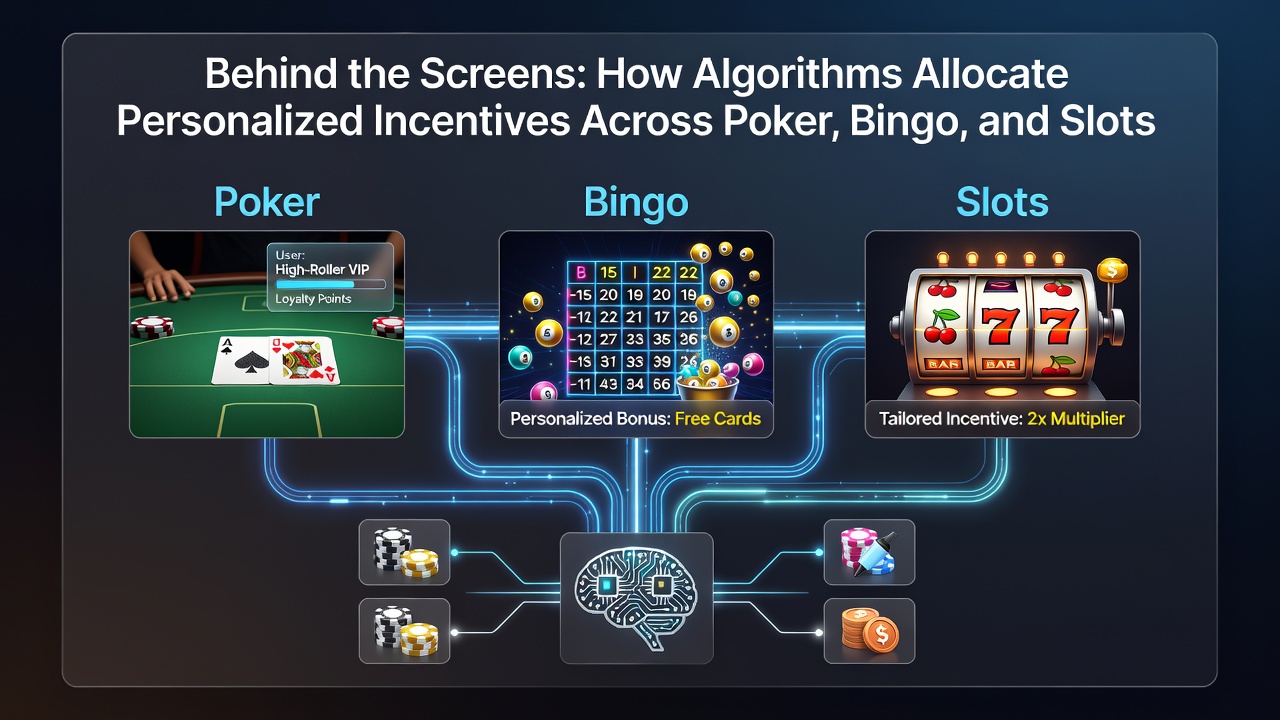
Behind the Screens: How Algorithms Allocate Personalized Incentives Across Poker, Bingo, and Slots
Data from player tracking systems shows that modern casino platforms rely on machine learning models to distribute tailored offers, and these systems analyze betting patterns, session durations, and game preferences in real time. Researchers at institutions such as the University of Nevada Reno have documented how behavioral metrics feed into decision trees that determine bonus structures for slots, poker, and bingo simultaneously. The process begins when a user registers, at which point initial data points including deposit amounts and game selections enter a central database that updates continuously throughout each session.
Algorithms segment players into clusters based on activity levels, and they apply different weighting factors for each game type. Slots receive priority in many systems because spin frequency generates high volumes of data points, while poker algorithms track hand win rates and table time to adjust rakeback percentages. Bingo platforms incorporate daub speed and ticket purchase frequency into their calculations, which allows cross-game promotions to activate when a player shifts between formats. According to industry reports from the American Gaming Association, these models update incentive offers every few minutes during peak hours to maintain engagement across multiple verticals.
Data Inputs That Drive Personalization
Player profiles compile information from login times, device types, and historical responses to previous promotions, and the resulting datasets train supervised learning models that predict churn risk. Observers note that variance in game volatility influences how incentives distribute, with high-volatility slots often paired with free spin bundles while lower-volatility bingo variants receive deposit match offers. External regulatory filings in jurisdictions such as New Jersey and Ontario reveal that operators must log these algorithmic decisions for audit purposes, which creates traceable records of how specific player actions trigger particular rewards.
Seasonal adjustments appear in the logic during periods of increased activity, and August 2026 data from platform analytics providers indicates a spike in cross-game bundles that link poker tournament entries with bingo room credits. The models weigh recency of play heavily, which means a recent large slot win can temporarily reduce the likelihood of receiving additional slot-focused incentives while increasing offers for poker or bingo to encourage diversification.
Game-Specific Allocation Mechanisms
Slot algorithms prioritize metrics such as coins wagered per minute and bonus round trigger rates, and they route personalized free spin packages to users whose data shows declining session lengths. Poker systems evaluate metrics including voluntary put money in pot statistics and showdown frequency before issuing targeted tournament tickets or cashback percentages. Bingo allocation logic tracks number of cards purchased per session alongside chat interaction levels, which influences the distribution of free ticket promotions that sometimes link to slot or poker rewards through unified loyalty ledgers.
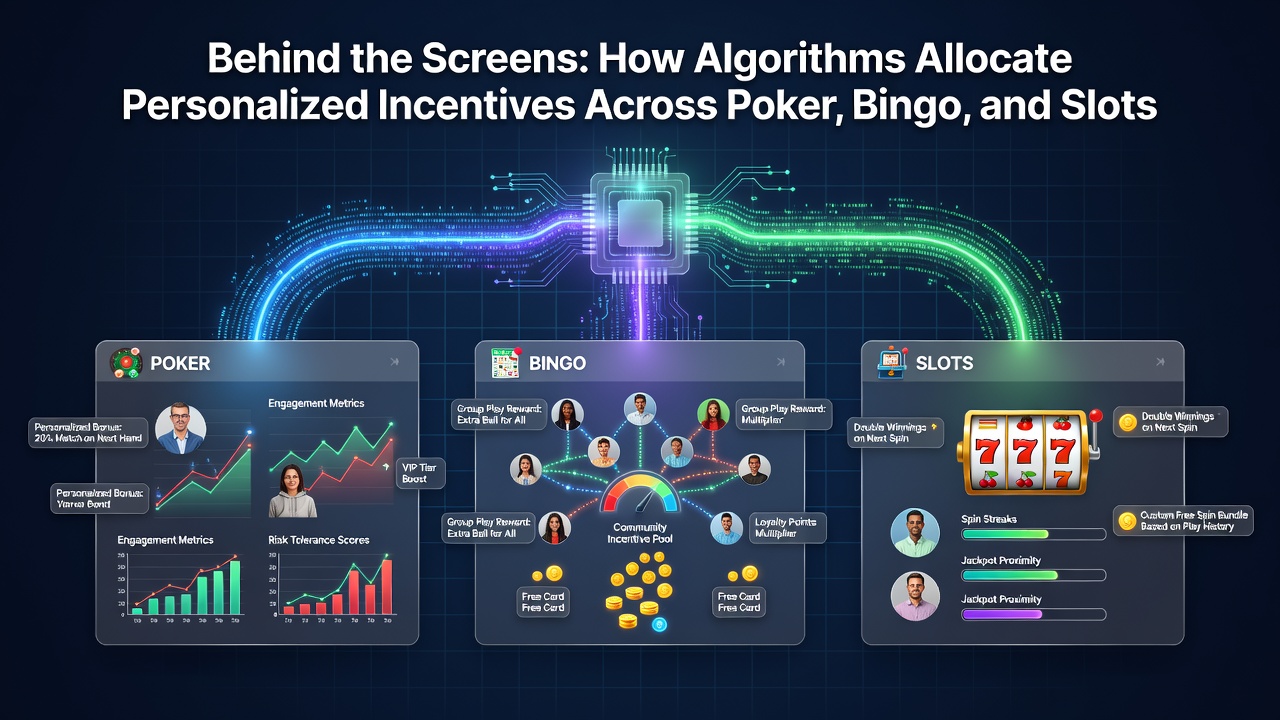
Integration layers connect these separate game engines so that activity in one vertical can unlock rewards in another, and developers implement rule-based overrides that prevent over-allocation to any single player segment. Technical documentation from platform providers describes the use of reinforcement learning loops that test small variations in offer values and measure subsequent deposit or playtime changes before scaling successful variants across similar user clusters.
Cross-Game Incentive Chains and Retention Logic
Retention teams configure rules that activate when a player completes a threshold in one game, at which point the system issues an incentive for a different format to encourage exploration. A player who reaches a certain bingo pattern completion rate might receive a poker sit-and-go entry, while consistent slot play can unlock bingo room credits. These chains rely on graph-based models that map player movement between verticals, and the strength of connections between games determines how aggressively the algorithm pushes transitions.
Platform updates in mid-2026 incorporated additional privacy controls that limit the granularity of data shared across game modules, yet the core allocation engines continue to function on anonymized aggregates. Figures released by Canadian provincial regulators show that operators using multi-game incentive systems report measurable differences in average revenue per user compared with single-game approaches, though the precise contribution of algorithmic personalization remains embedded within broader operational data.
Conclusion
Algorithmic systems governing personalized incentives across poker, bingo, and slots operate through layered data pipelines that continuously refine offer parameters based on observed behavior. The allocation process integrates game-specific metrics with cross-vertical signals to balance retention goals, and ongoing regulatory scrutiny in multiple jurisdictions shapes how these models evolve. As platforms refine their approaches through 2026 and beyond, the underlying mechanisms remain centered on measurable player interactions that determine which incentives reach which accounts at any given moment.